
What's changing in business networking this year?
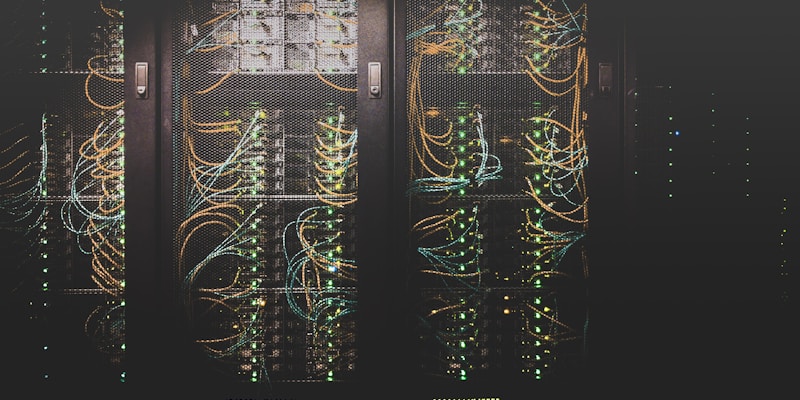
The networking landscape is evolving faster than most businesses realize. What worked even two or three years ago — a basic firewall, a consumer-grade wireless setup, a traditional VPN for remote workers — is increasingly inadequate for the demands of modern business. As we move through 2026, several major trends are reshaping how businesses build, manage, and secure their networks. Here is what you need to know.
1. WiFi 7 Is Coming — And It Matters for Business
WiFi 7, based on the IEEE 802.11be standard, is moving from early adopter territory into mainstream enterprise availability in 2026. The headline improvements are significant: speeds up to four times faster than WiFi 6E, dramatically lower latency, and multi-link operation that allows devices to simultaneously use multiple frequency bands. For businesses, this means better performance in high-density environments like conference rooms and open offices, more reliable connections for video conferencing and cloud applications, and the ability to support bandwidth-intensive tools like real-time AI processing at the edge. While not every business needs to upgrade immediately, WiFi 7 should be on the roadmap for any organization planning a network refresh in the next twelve to eighteen months.
2. SD-WAN Adoption Is Accelerating
Software-Defined Wide Area Networking has been gaining traction for several years, but 2026 is the year it becomes the default architecture for multi-site businesses. SD-WAN replaces rigid, expensive MPLS connections with intelligent software that routes traffic across multiple internet connections based on real-time performance data. The result is better application performance, built-in redundancy, and significant cost savings. For businesses in the Cincinnati and Dayton area with multiple office locations, warehouses, or retail sites, SD-WAN eliminates the pain of managing disparate network connections and delivers a consistent, high-performance experience across every location.
3. Network-as-a-Service Models
The shift from capital expenditure to operational expenditure continues to transform networking. Network-as-a-Service models allow businesses to consume networking infrastructure — switches, access points, firewalls, and management platforms — as a subscription rather than a large upfront purchase. This approach reduces the financial barrier to deploying enterprise-grade networking, includes ongoing hardware refreshes and software updates, and shifts the management burden to the provider. For small and mid-size businesses that want enterprise-quality networking without the capital outlay, NaaS is an increasingly attractive option.
4. Zero-Trust Network Access Is Replacing VPNs
Traditional VPNs grant remote users broad access to the corporate network once they authenticate — a model that creates significant security risk if credentials are compromised. Zero-Trust Network Access takes a fundamentally different approach: every access request is verified individually, users are granted access only to the specific applications and resources they need, and that access is continuously validated throughout the session. ZTNA is better suited to today's hybrid work environment, performs better than traditional VPNs for cloud-based applications, and dramatically reduces the attack surface if a user account is compromised. Organizations still relying on traditional VPN infrastructure should be actively planning their transition to a zero-trust model.
5. The IoT Device Explosion Demands Better Segmentation
The number of connected devices on business networks is growing rapidly. Security cameras, smart building systems, environmental sensors, industrial controllers, connected printers, and countless other Internet of Things devices are joining corporate networks — often with minimal security controls built in. Each of these devices represents a potential entry point for attackers. Proper network segmentation — isolating IoT devices on their own network segments with strict access controls — is no longer optional. Businesses need to inventory their connected devices, implement segmentation policies, and monitor IoT traffic for anomalous behavior.
6. AI-Driven Network Monitoring and Optimization
Artificial intelligence is transforming how networks are monitored and managed. AI-driven network platforms can detect anomalies in real time, identify the root cause of performance issues in seconds rather than hours, predict potential failures before they impact users, and automatically optimize traffic routing and resource allocation. These capabilities are particularly valuable for lean IT teams that cannot afford to have staff monitoring dashboards around the clock. AI-driven networking tools act as a force multiplier, enabling small teams to manage complex environments effectively.
Key Takeaways
- WiFi 7 and SD-WAN are mature and available now — plan network refreshes around these technologies for significant performance and cost improvements.
- Zero-Trust Network Access is replacing traditional VPNs, offering better security and performance for hybrid work environments.
- AI-driven network monitoring acts as a force multiplier for lean IT teams, enabling automated anomaly detection and optimization.
Practical Advice: Invest Now or Wait?
For businesses in the Cincinnati, Dayton, and greater Southwest Ohio area planning network upgrades, the question of timing matters. If your current network infrastructure is more than five years old, or if you are experiencing performance issues, security concerns, or difficulty supporting remote workers, now is the right time to invest. WiFi 7 hardware is available, SD-WAN and ZTNA solutions are mature, and NaaS models make enterprise-grade networking financially accessible. If your infrastructure is relatively current and performing well, it makes sense to plan your next refresh around WiFi 7 and zero-trust principles so you are ready when the time comes. Either way, the worst strategy is doing nothing. The gap between modern and outdated networking infrastructure grows wider every year, and the security and productivity implications are real. Contact Wallace and White to discuss where your network stands and what your next move should be.